Introduction
Over the past decade, MDF (Medium Density Fiberboard) became popular for interior furniture because of its smooth surface and lower cost. However, in 2026, many architects and interior designers are re-evaluating material
choices. A growing number of professionals are shifting from MDF to calibrated plywood, especially for modular kitchens, wardrobes, and structural furniture applications.
But why is this shift happening? The answer lies in strength, moisture resistance, long-term durability, and precision manufacturing.
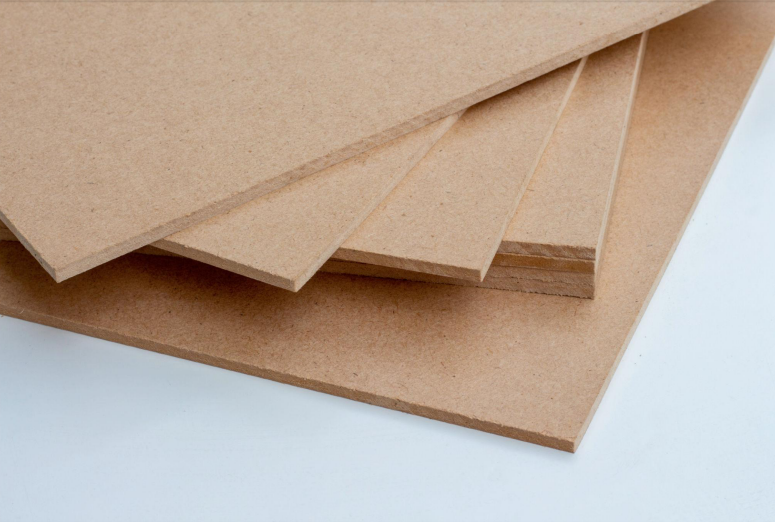
MDF (Medium Density Fiberboard) is an engineered wood product made from wood fibers bonded together using resin under high pressure.
Advantages of MDF:
● Smooth surface for painting
● Cost-effective
● Easy to machine
● Good for decorative panels
Limitations of MDF:
● Lower screw-holding strength
● Swells when exposed to moisture
● Not ideal for heavy load-bearing applications
● Shorter lifespan in humid climates
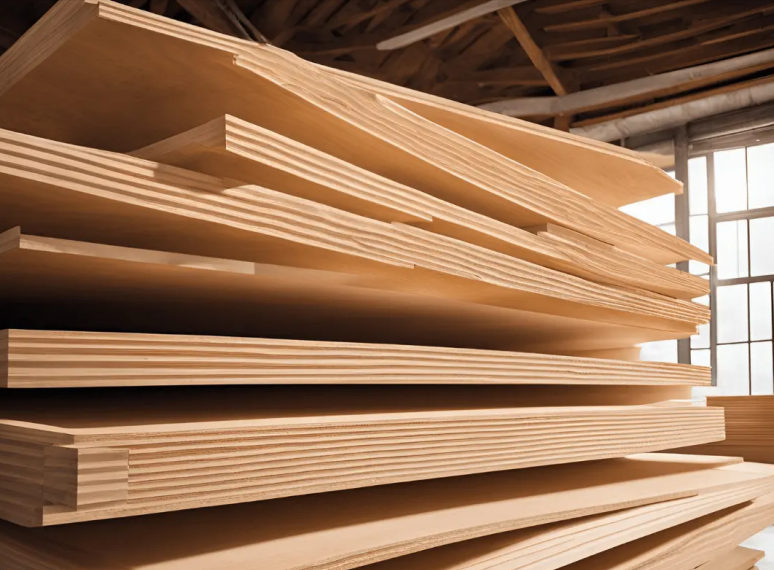
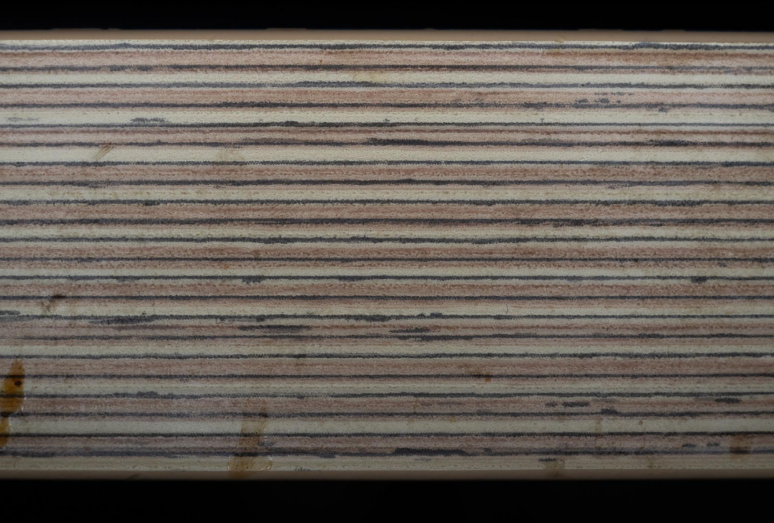
Calibrated plywood is plywood that has been machine-sanded on both sides to achieve uniform thickness throughout the sheet. Unlike standard plywood, calibrated plywood ensures:
● Precision thickness control
● Better alignment in modular furniture
● Reduced installation errors
● Improved structural consistency
MDF vs Calibrated Plywood: Detailed Comparison
| Feature | MDF | Calibrated Plywood |
|---|---|---|
| Screw Holding | Moderate | Strong |
| Moisture Resistance | Low to Moderate | High |
| Structural Strength | Moderate | High |
| Weight Bearing | Limited | Strong |
| Thickness Accuracy | Uniform | Highly Uniform (Calibrated) |
| Kitchen Suitability | Limited | Highly Suitable |
| Lifespan | Moderate | Long |
1. Better Screw-Holding Strength
Architects prioritize furniture durability MDF tends to weaken around screw points over time. Hinges may loosen, especially in frequently used kitchen shutters.
Calibrated plywood, due to cross-layered veneer construction, provides:
● Strong grip for screws
● Better hinge stability
● Reduced loosening over years
This is critical in modular kitchens and wardrobes.
2. Superior Moisture Resistance
Indian climate includes:
● High humidity
● Monsoon exposure
● Kitchen steam
● Water spills
Calibrated plywood, especially BWP or BWR grade, performs significantly better in moisture-prone environments. This is one of the biggest reasons architects prefer plywood in 2026.
3. Higher Load-Bearing Capacity
Modern modular kitchens often include:
● Tall pantry units
● Heavy storage drawers
● Built-in appliances
MDF may sag under continuous load.
Calibrated plywood offers better structural strength and long-term stability.
4. Precision in Modular Installations
In modular factories, even 0.5 mm thickness variation can cause alignment issues.
Calibrated plywood ensures:
● Exact thickness tolerance
● Smooth shutter alignment
● Better CNC processing
● Reduced installation rework
This precision is valued highly by architects and modular kitchen manufacturers.
5. Long-Term Durability
Furniture is not a short-term investment. Architects designing premium homes prefer materials that:
● Maintain shape
● Resist environmental stress
● Require minimal maintenance
Calibrated plywood typically offers a longer lifespan compared to MDF in
structural applications.
Where MDF Is Still Used
It’s important to note that MDF is not obsolete.
Architects still use MDF for:
● Decorative panels
● Wall cladding
● Paint-finished surfaces
● Carved Designs
However, for structural furniture and kitchen carcasses, plywood is often preferred.
Why Many Architects Choose Thames Ply Calibrated Plywood
Brands offering calibrated plywood with:
● Uniform core construction
● High bonding strength
● Termite-resistant treatment
● Moisture stability are increasingly preferred.
Thames Ply is one such brand offering calibrated plywood suitable for modular kitchens and furniture applications.
When Should You Choose Calibrated Plywood Over MDF?
Choose calibrated plywood if:
● The furniture is load-bearing
● The area is moisture-prone
● You want long-term durability
● It is a modular kitchen or wardrobe project
Choose MDF if:
● It is decorative paneling
● Budget is very limited
● Moisture exposure is minimal
Thames Ply is one such brand offering calibrated plywood suitable for modular kitchens and furniture applications.
Future Trend: Performance Over Price
In 2026, architects are prioritizing:
● Performance
● Structural reliability
● Client satisfaction
● Reduced maintenance
FAQ
Why are architects switching from MDF to calibrated plywood?
Architects prefer calibrated plywood because it offers better strength, higher moisture resistance, and longer durability compared to MDF in structural furniture applications.
Is calibrated plywood stronger than MDF?
Yes, calibrated plywood is generally stronger due to its cross-layered veneer construction, providing better load-bearing and screw-holding capacity.
Is MDF suitable for modular kitchens?
MDF can be used for shutters or decorative panels, but calibrated plywood is preferred for kitchen cabinets due to better moisture resistance
Does Thames Ply offer calibrated plywood?
Yes, Thames Ply offers calibrated plywood designed for modular kitchens, wardrobes, and precision interior projects.
Conclusion
The shift from MDF to calibrated plywood reflects a broader industry trend — choosing materials that offer strength, precision, and long-term reliability. As interior standards evolve in 2026, architects increasingly prioritize performance-driven materials like calibrated plywood for modern modular projects